Plate forming

Plate Rolling Machine: 4-Roll Plate Bending and Rolling

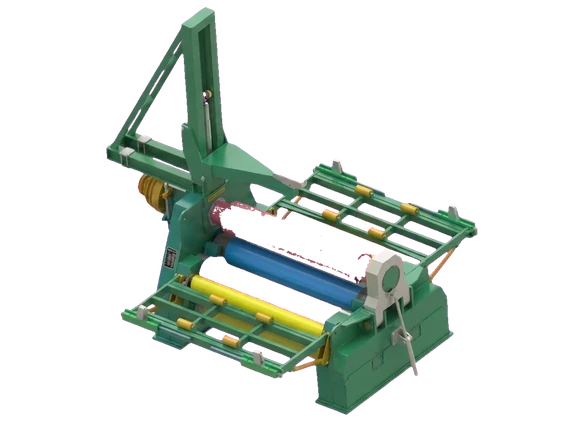
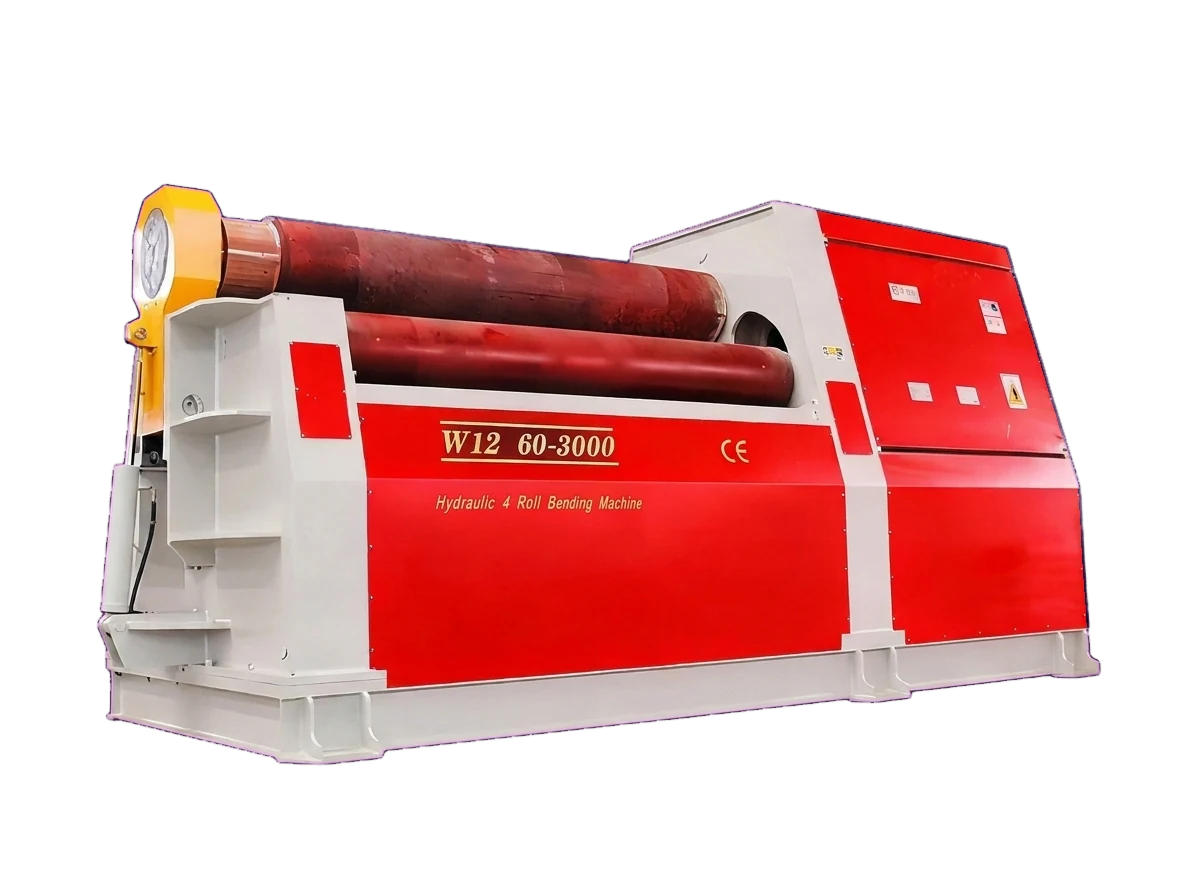
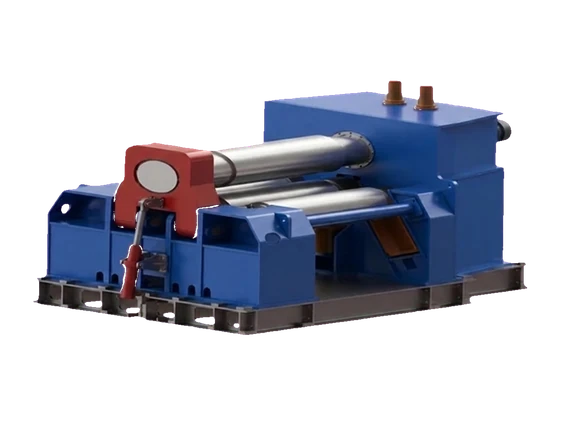
The four-roll plate rolling machine — a plate bending machine — forms cylindrical shells. Select it by material, actual thickness, working width and finished diameter; check pre-bending and cone work separately.

Plate Rolling Machine: 4-Roll Plate Bending and Rolling

Overview

Is a four-roll plate roller suitable for your shell?

A four-roll plate roller is a candidate for cylindrical shells. Select it against the material grade and condition, actual thickness, working plate width and finished diameter after unloading. Ask for rolling and end pre-bending capacity separately for the same job: maximum rolling thickness does not establish pre-bending capacity or every diameter at full width.
Read more

The published range is a 4 roll plate rolling machine. A 3 roll plate rolling machine or a hydraulic plate rolling machine is a different configuration to compare against the same shell, not a model listed on this page. Record the rolling thickness, working width and finished diameter before comparing model rows.

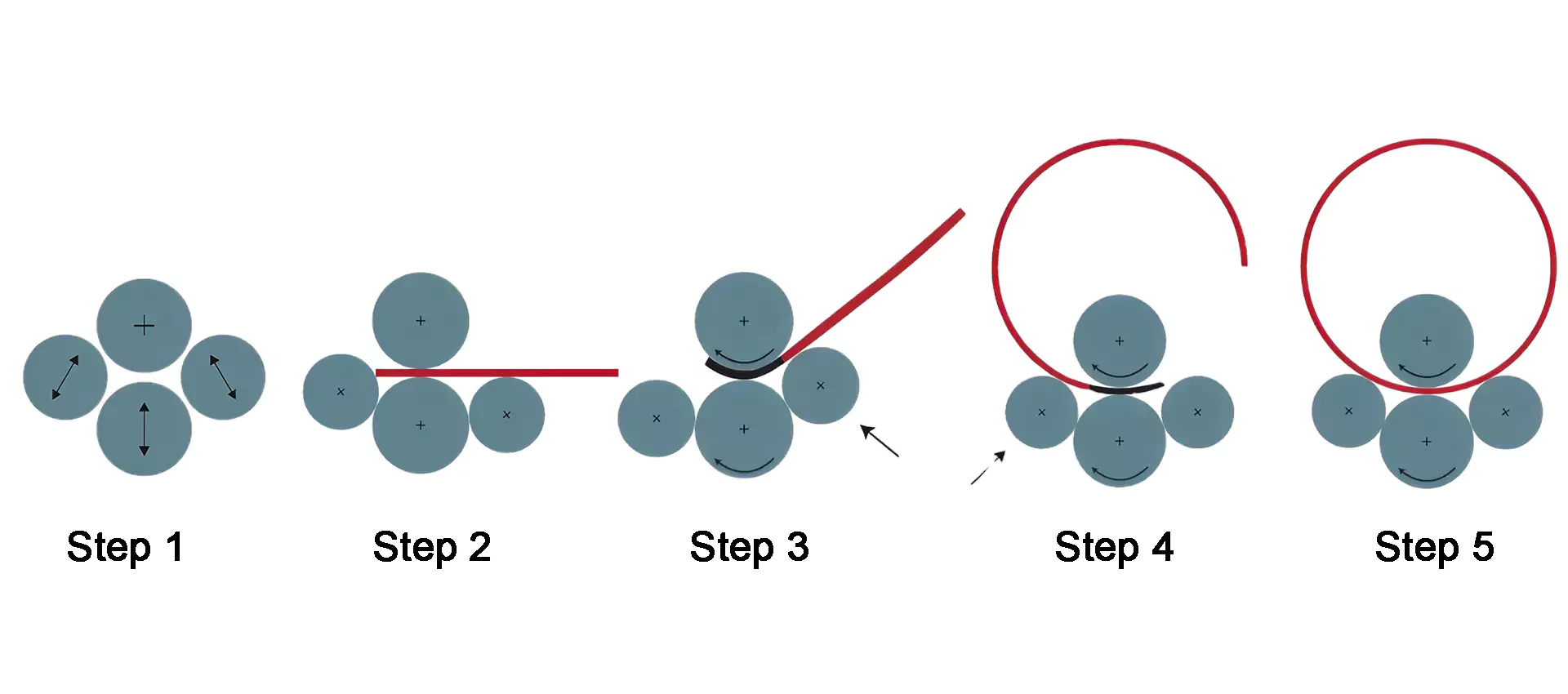
In a four-roll arrangement, the upper and lower rolls clamp and guide the plate; the side rolls participate in forming and edge pre-bending. This describes the general arrangement, not a pass sequence or a capacity guarantee for a selected machine. Tapered shells need a separate configuration and capability check.

Job inputWhat to specify
MaterialGrade, condition and available material properties.
ThicknessActual thickness and variation, not just nominal thickness.
Working widthPlate width for each shell, paired with its thickness and diameter.
Finished diameterTarget diameter after unloading; identify inside or outside diameter.
EndsWhether both edges need pre-bending, acceptable straight length at each edge and whether trimming is allowed.
Equipment overview

A plate rolling machine — also called a plate bending machine, sheet metal rolling machine, slip roll machine or plate roller — forms cylindrical shells. Match material, actual thickness, working width and unloaded finished diameter; confirm pre-bending separately.

Available configurations

Four-roll plate rolling machine

Four-roll plate rolling machine

Form cylindrical and conical plate parts with coordinated rolls and workpiece support.

Send your part details

Selection

Compare capacity for the same job

Compare a supplier capacity record for each actual combination of material, thickness, working width and unloaded finished diameter. Do not combine maximum figures from different jobs into one operating envelope.

Read more
RequestWhy it matters
Rolling and end pre-bending limits separatelyA maximum rolling thickness is not the pre-bending thickness.
Width and finished diameter at that material/thicknessA full-width rating does not mean any diameter is possible.
Straight ends, trimming and seam conditionAgree what the part must look like before welding.
Cone arrangement and capabilityCheck cone geometry separately from cylinders.
Supports and removal planMatch the supported workpiece and the proposed handling route.

Technology

Compare the pre-bending and handling route

Compare specific machines and their handling route rather than treating roll count as proof of capability. Three-roll layouts differ in how they grip, pre-bend and reposition the plate. A four-roll arrangement can pre-bend both edges in one setup, but the permitted job and remaining straight ends still need confirmation.

Read more
QuestionThree-roll proposalFour-roll proposal
Pre-bendingCheck the actual layout and any turning or re-insertion.Confirm both-edge pre-bending at the required thickness, width and diameter.
Straight endsAsk what remains and whether trimming is needed.Agree the acceptable straight length; do not assume zero flat ends.
HandlingReview each loading, turning and removal step.Check the proposed sequence and supports; less handling is not automatic.
ResultUse the same shell and acceptance conditions for comparison.Roll count alone does not establish roundness or seam closure.

For the forming mechanisms, see Pre-bending and flat-end mechanisms.

Check cone work and the supplied configuration

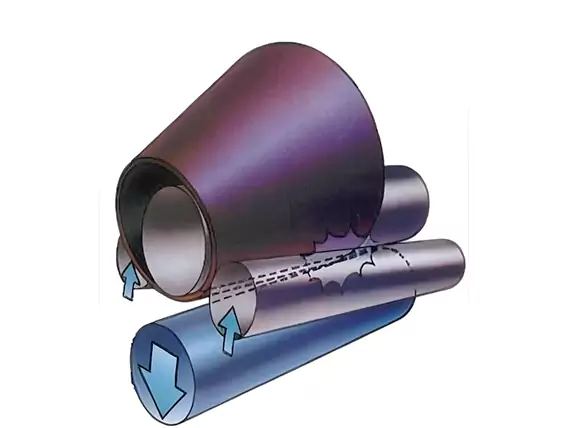
For a cone, send finished large- and small-end diameters, axial height, actual thickness, material, seam and end conditions. Confirm the cone device, working method and capacity for that geometry separately; a cylindrical rolling rating does not establish cone capability.

Read more

The product description covers a cone device, planetary gear drive, top and side supports and roll crowning. Check the supplied combination against the selected specification. Crowning compensates roll deflection within its design range; it is not a guarantee of uniform curvature for every plate.

Review blank and shell weight, support positions and load ratings, the path out of the rolls, lifting access and removal. Workpiece supports help limit sagging; their presence does not establish a lifting allowance or a roundness result.

For blank mass planning, use Estimate blank weight. This estimates blank weight, not machine weight, and does not establish support or lifting load ratings.

Structural design

Structural design

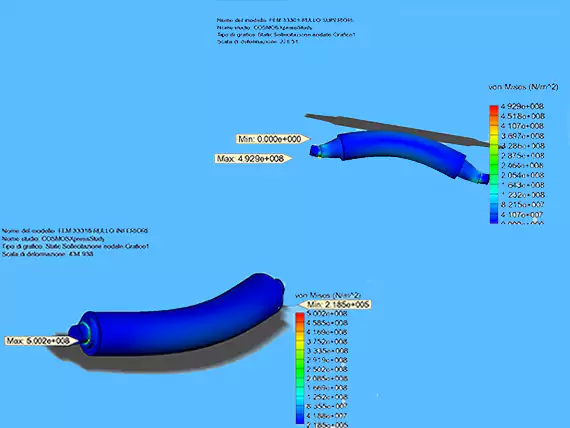
The design uses finite element analysis to assess frame stiffness and load paths. Heat treatment of major components helps control residual stress; the manufacturing route is confirmed for the selected machine.

Cone rolling device

Cone rolling device

A cone rolling arrangement guides the plate during conical forming. Suitability depends on cone geometry, material and tooling, so the required device and operating method should be agreed for the project.

Planetary gear drive

Planetary gear drive

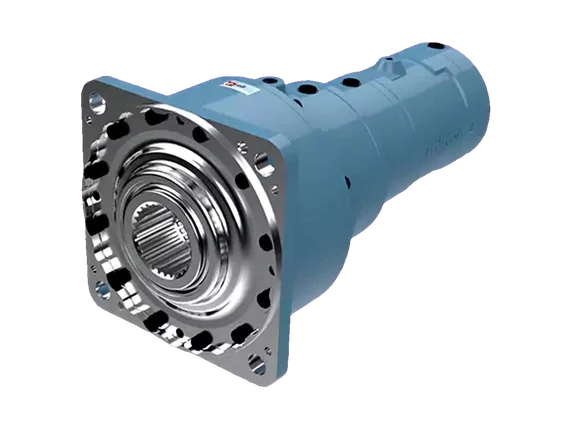
The described drive couples hydraulic motors to planetary gearboxes at the rolls. Planetary gears share the transmitted load, while the direct arrangement reduces intermediate transmission stages; motor and roll drive allocation depend on the machine configuration.

Top and side supports

Top and side supports

Supports carry the weight of large-diameter shells as they emerge from the rolls. They help limit sagging under gravity; support positions and load capacity must match the workpiece.

Roll crowning

Roll crowning

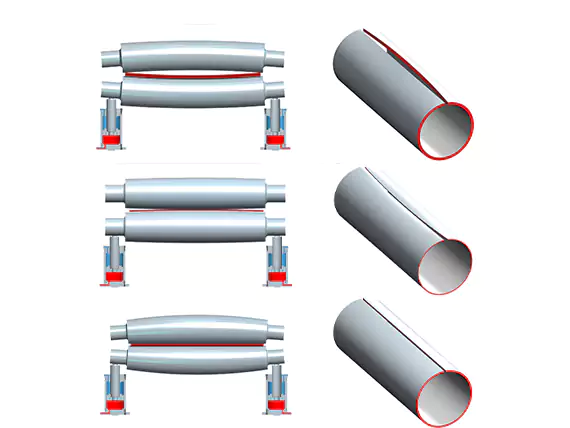
Rolling loads can deflect the rolls and change curvature across the plate width. A calculated crown profile compensates for this deflection within its design range; material, width and thickness remain important selection inputs.

Roll construction

Roll construction

Solid forged rolls use machined profiles and induction-hardened surfaces. Polished rolls can be considered for surface-sensitive work, with roll material, hardness and finish selected for the application.

Operating features

Operating features

The source description lists planetary side-roll movement, digital roll-position readouts, selectable working speeds and cone rolling. It also describes hardened crowned rolls, hydraulic side-roll balancing and bottom-roll clamping. These describe the source arrangement; confirm each supplied function and the clamping/drive arrangement in the selected machine specification.

Applications

Typical applications

Typical work includes plate rolling for cylinders, plate rolling for tanks and plate rolling for cones, alongside the shell-forming tasks below. These are typical applications, not evidence of a completed customer project or pressure-vessel certification.

  • Pressure vessels and reactor shells
  • Storage tanks and silos
  • Pipe sections and large-diameter tubes
  • Wind tower shells
  • Construction and lifting equipment parts

Resources

Define the shell used for acceptance

Agree these acceptance tasks before ordering. They are requested records, not supplied RAGOS trial results or numerical performance promises.

Read more
CheckRecord to agreeDecision it supports
GeometryMaterial, actual thickness, width, unloaded inside/outside diameter, pre-bent ends and remaining straight length.Separate rolling from pre-bending capability.
MeasurementUnloaded condition, before/after welding, marked axial and circumferential locations; diameter, roundness, straight ends, method, instrument, tolerances and original readings.One local radius does not establish the complete shell result.
HandlingBlank/shell weight, support positions and ratings, lifting and removal route.Confirm the shell can be supported and removed.
ConesLarge/small ends and agreed intermediate sections, with measurement method and tolerances.A cylinder acceptance record does not validate a cone.

4-roll plate rolling machine specifications

ParameterValue
Type4-roll with pre-bending
FeaturesCone rolling device, planetary gear drive, top/side support, crowning system
ApplicationCurved parts, cylinders, cones
ModelsOn request

Specifications are indicative and subject to final configuration.

RAGOS product data, 2026-11-01; confirm current configuration with our team.

Common questions

What is the difference between a 3-roll and a 4-roll plate roller?

A four-roll arrangement clamps the plate between upper and lower rolls while side rolls form and pre-bend it. Three-roll layouts differ; compare the actual pre-bending, turning and re-insertion route, not roll count alone.

Why is pre-bending important?

Pre-bending reduces the straight portions near the plate edges before seam closure. Agree acceptable remaining straight length and any trimming; it does not mean zero flat ends or guaranteed roundness.

Can the machine roll cones?

Cone work requires a separate check of device, method and capability against the large/small diameters, axial height, material, thickness, seam and end conditions. Do not use a cylinder rating as cone capacity.

What is the maximum plate thickness?

No numerical thickness envelope is supplied here. Request rolling and pre-bending limits separately for the actual material, thickness, working width and unloaded finished diameter.

Is a four-roll machine harder to operate?

Compare the actual loading, pre-bending and removal sequence. Ask whether training and operating documentation are offered, their form, cost and quoted scope; do not assume inclusion.

Can you supply the rolls for a specific diameter?

Ask for the achievable unloaded diameter at the required material, thickness and width, together with the roll configuration. A roll diameter alone does not establish the finished shell diameter.

What is a plate rolling machine?

A plate rolling machine forms plate into cylindrical or curved shells by passing it between rolls. It is also called a plate bending machine, sheet metal rolling machine or slip roll machine. The finished diameter, straight ends and seam preparation still need checking against the drawing.

What does a plate rolling machine cost?

Price depends on the model, roll configuration, working width, thickness and pre-bending capacity, supports and control. Send the material, actual thickness, shell diameter and length so the quotation can define the machine and its tooling.

Documents, sources and next steps

Product catalogue

RAGOS product catalogue (English PDF)

Press brakes, panel benders, V-grooving machines and robotic bending cells: 6 series and 80 models with standard specifications and the configuration choices behind a machine order.

English PDF · 28 pages · 80 models · 6 series · 1.64 MB · November 2026

Download the English PDF (1.64 MB)

Equipment and quotations

Contact JS Ragos for machine models, configurations and quotations.

Get a quote

Inquiry form

Tell us which equipment you need or what you would like to know. You can include a model if you have one in mind.

This form does not autosave unsent drafts. Keep this tab open while checking the source or privacy notice.

Contact details (optional)
Machine, process and drawing details (optional)

PDF, DWG, DXF, STEP, JPG or PNG, up to 10 MB.

We use these details only to respond to your inquiry. Privacy policy (opens in a new tab)