NG Electric Press Brake: Servo Drive, Axes and Models
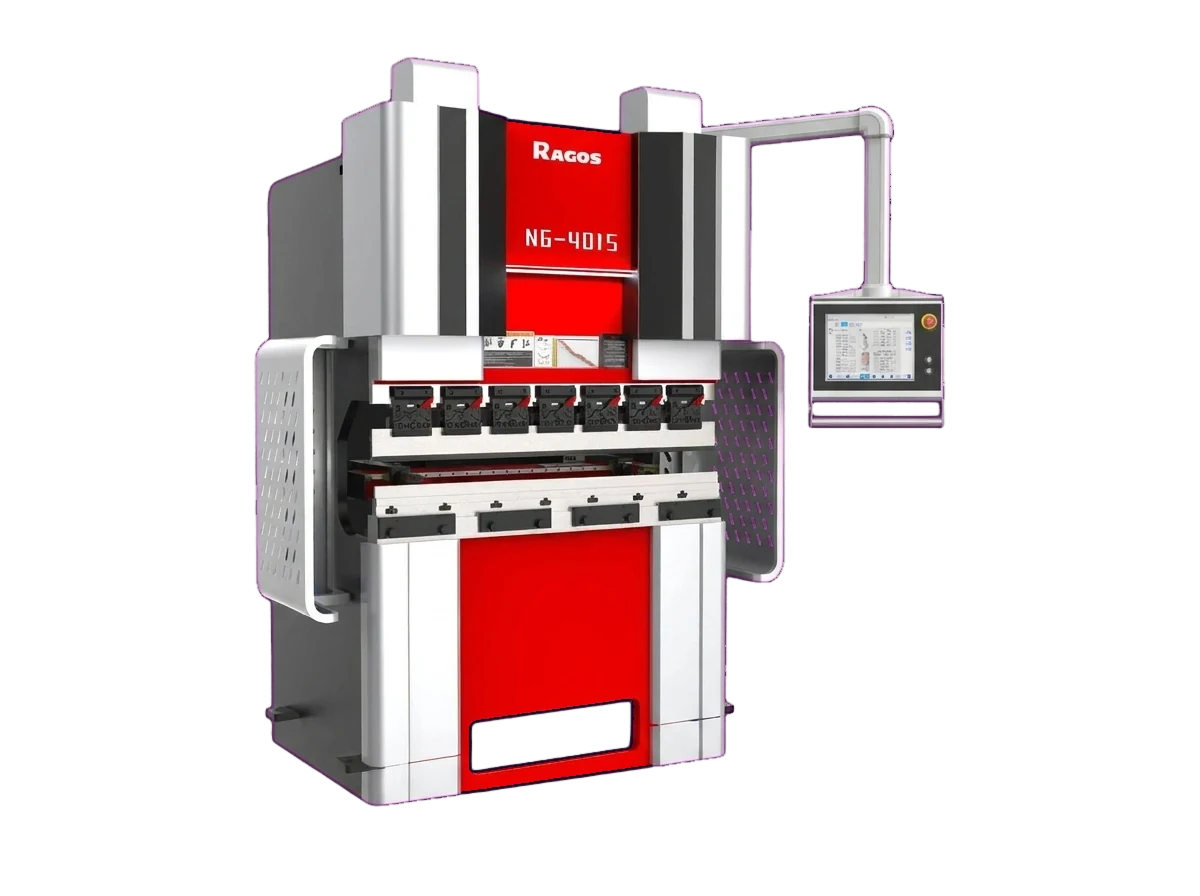
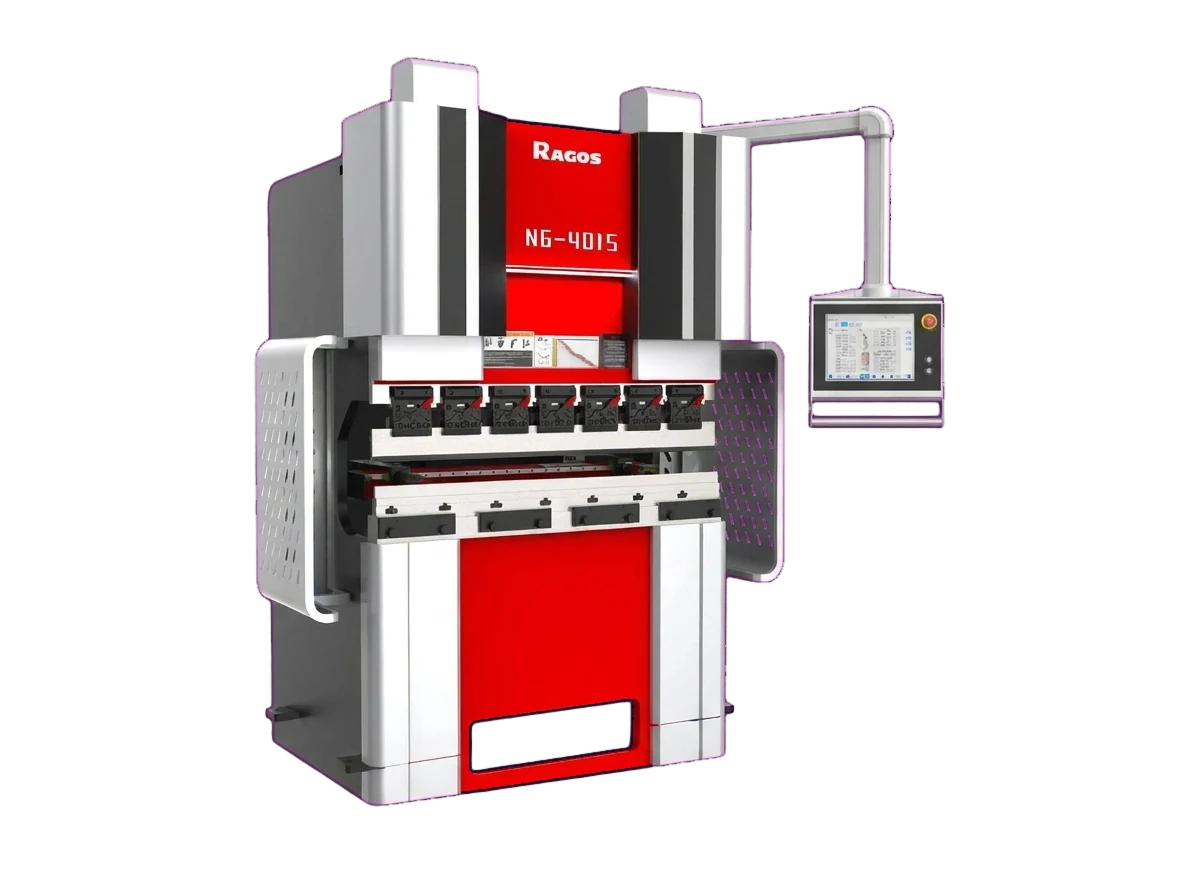
The NG electric press brake — an all electric press brake — drives the ram with servo motors and a mechanical transmission. Select a model by required bending force, working length and axes.
An NG electric press brake — also described as an electric servo press brake or an electric press brake with servo drive — bends sheet using servo motors and mechanical transmission. The product materials describe paired ball-screw drives with linear-scale position feedback to coordinate both sides.
Read more
The model table is the place to compare electric press brake tonnage, electric press brake bending length and axis data. A cabinet shop may ask for an electric press brake for cabinets; thin-sheet work may call for an electric press brake for thin sheet. Both still need the same model-row check.
Drive type and the direction in which the tooling moves are separate descriptors. This page describes the NG drive; the drive description alone does not establish a finished-part angle tolerance, cycle time or energy saving for your job.
Equipment overview
An NG electric press brake is an all electric press brake in shop terms: a servo electric press brake drive replaces the hydraulic bending circuit. Compare the six models by rated force, bending length and axes, then check tooling, part clearance and your electrical supply.
Confirm the applicable range by material, size and working conditions.
Selection
Is NG a candidate for your parts?
NG is a candidate when one model row covers the required force and bending length and the proposed tooling and geometry can be checked. Do not select by the series name or by a promise of precision: start with the drawing, material and thickness.
Read more
Before choosing an NG model, check the required force and length against the same model row. Confirm tooling loads, part clearance and electrical supply; agree a trial when the drawing or tolerances need practical verification.
Technology
Which cycle and axis data can you compare?
NG-2508 lists 0.5 s/bend; the other five models list a bending speed of 10–30 mm/s. The separate raising/lowering speed is given as a combined rating. Axis speed is not finished parts per hour: the bend sequence, sheet handling, tool changes and protection settings also affect a production cycle.
Read more
Approach speed describes travel before sheet contact; working speed describes the forming motion.
Backgauge stroke and speed describe positioning travel; R-axis data describe height travel. Confirm which motions the quoted configuration controls.
Main motor power, total power and voltage are separate fields; none is a measured energy-use figure.
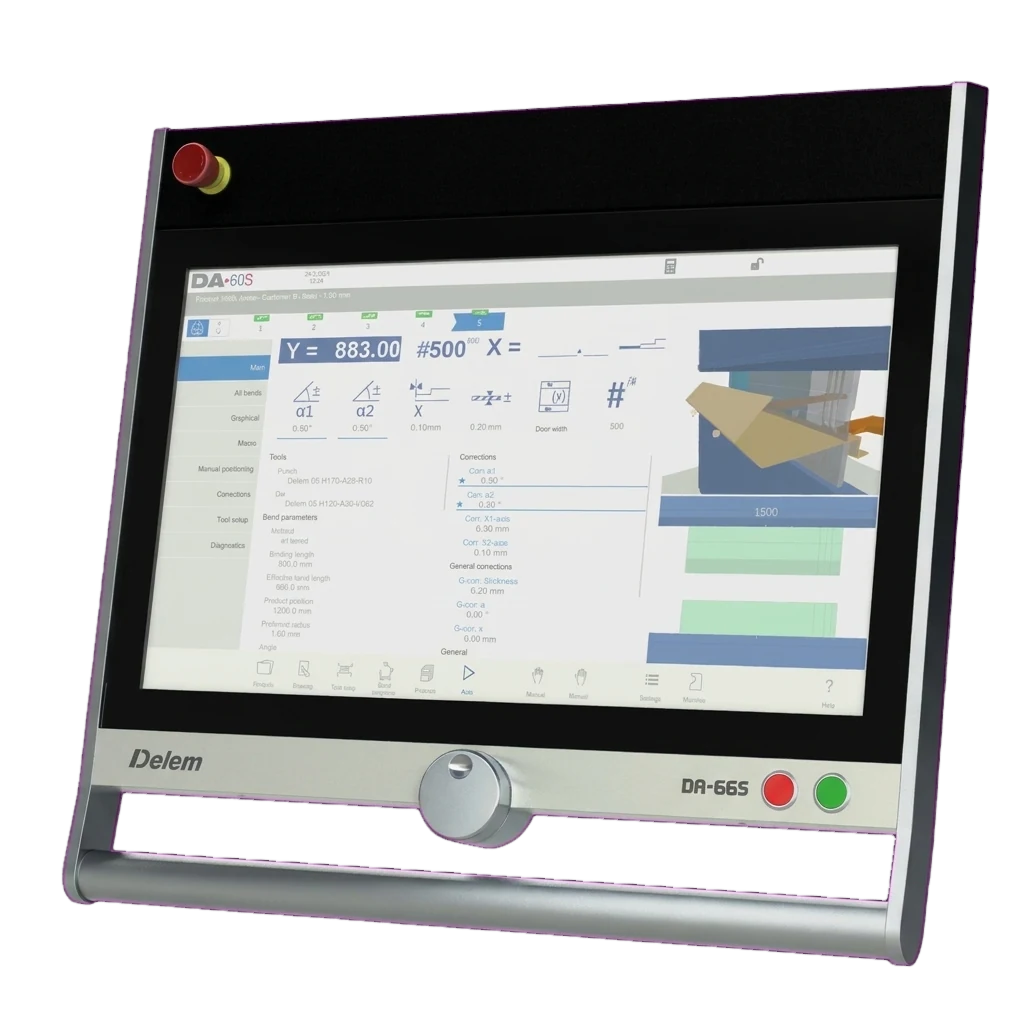
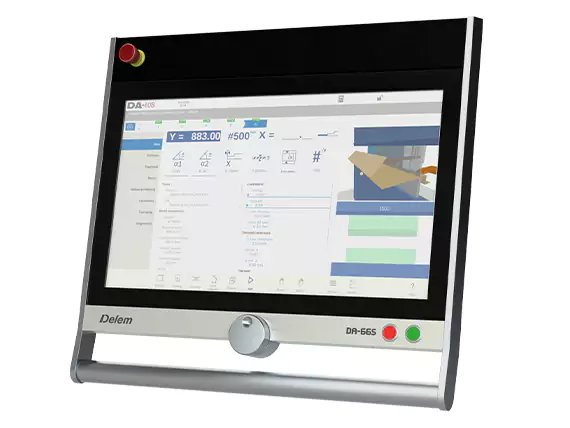
DA-66S controller example. Confirm the controller and software supplied with your selected NG model.
What still needs checking beyond the table?
Rated force is the nominal total machine tonnage, not a force per metre of bend or a permitted local tool load. Estimate the required force separately, then check tooling capacity. Daylight must accommodate the actual tool stack and part removal; throat, stroke and frame spacing must be checked against the bend sequence and loading path.
Read more
The axes column is a listed configuration count, not the number of simultaneously moving axes. The sheet does not give a complete axis-name list or define the +1 in 6+1. Ask the quotation to identify the controlled motions and options; R-axis travel alone does not establish the complete backgauge configuration.
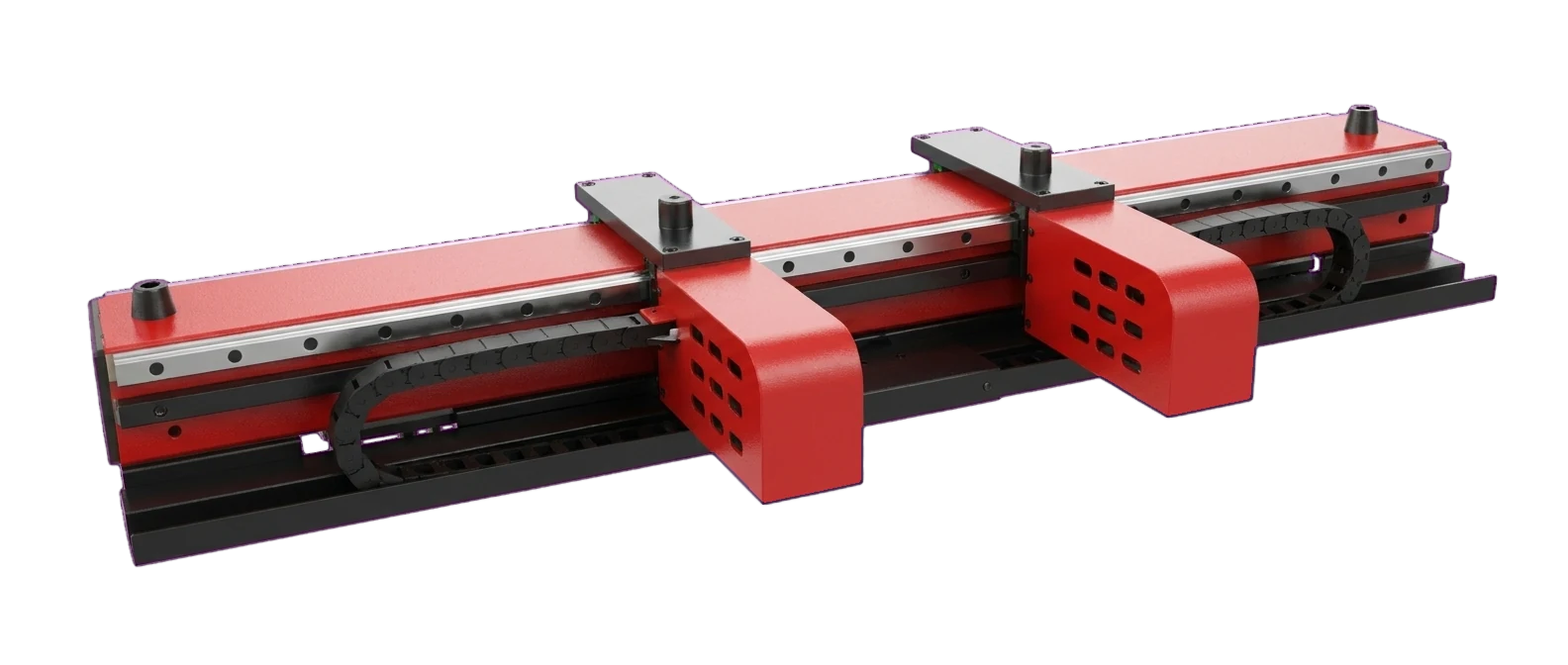
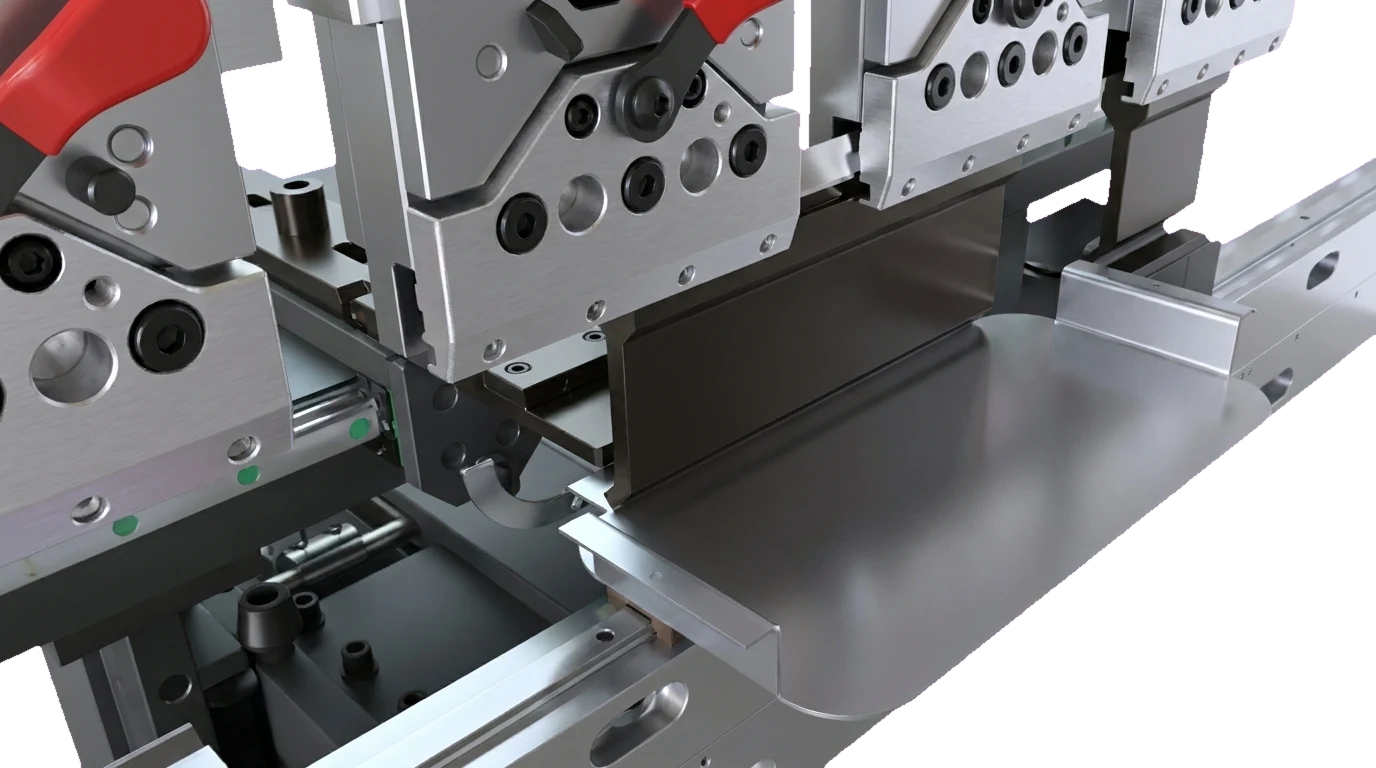
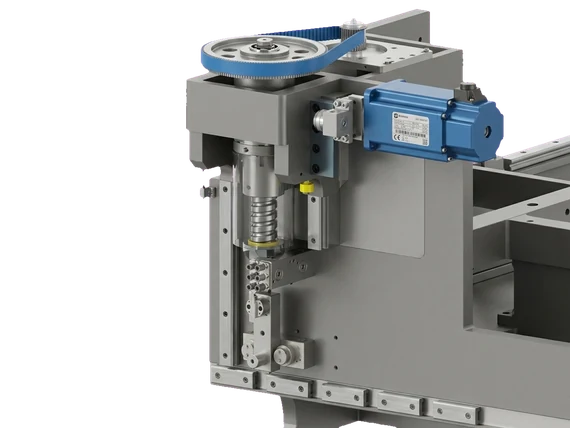
NG backgauge and bending station. The fingers locate the sheet; confirm axis travel and configuration for your selected model.
The published NG parameters do not include a supply voltage. Main motor power and total power are separate fields — NG-3512 lists 16.6 kW total power — and neither supplies the phase, frequency, current, protection or connection specification needed for electrical design. Supply conditions for the proposed machine come from the quotation and its installation drawing. Weight and dimensions support preliminary planning, not a foundation or access approval.
What do the product photographs confirm?
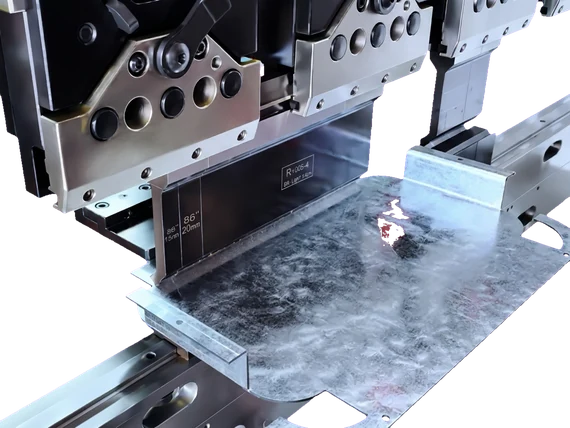
The photographs show representative NG equipment and components; the scope of supply is set per model in the quotation. Confirm in the quotation which controller and software licences, named axes, protection system, tooling interface, punch-and-die set and any sheet supports are included. A displayed optical protection component does not establish complete-machine conformity.
Read more
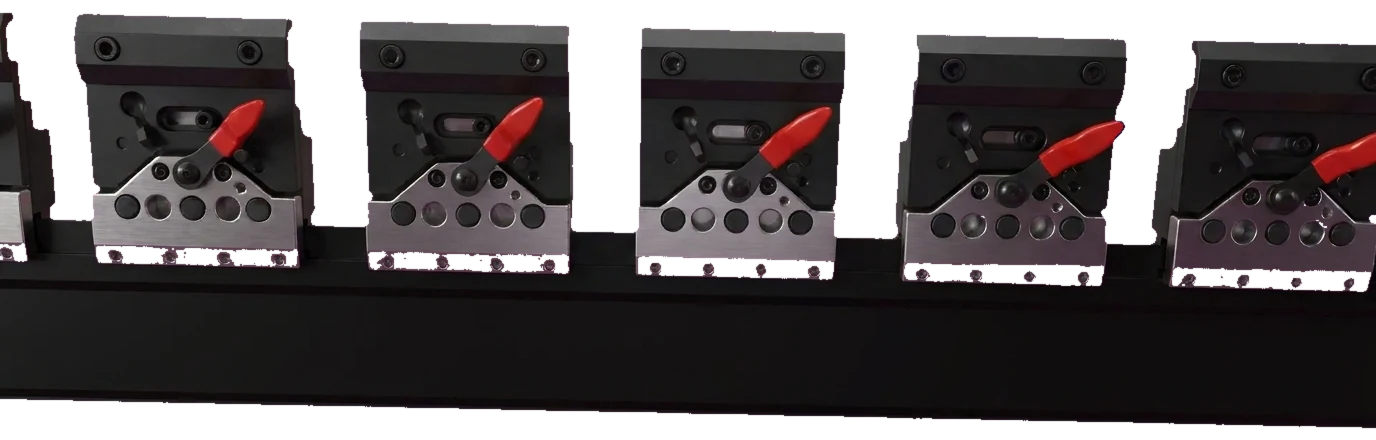
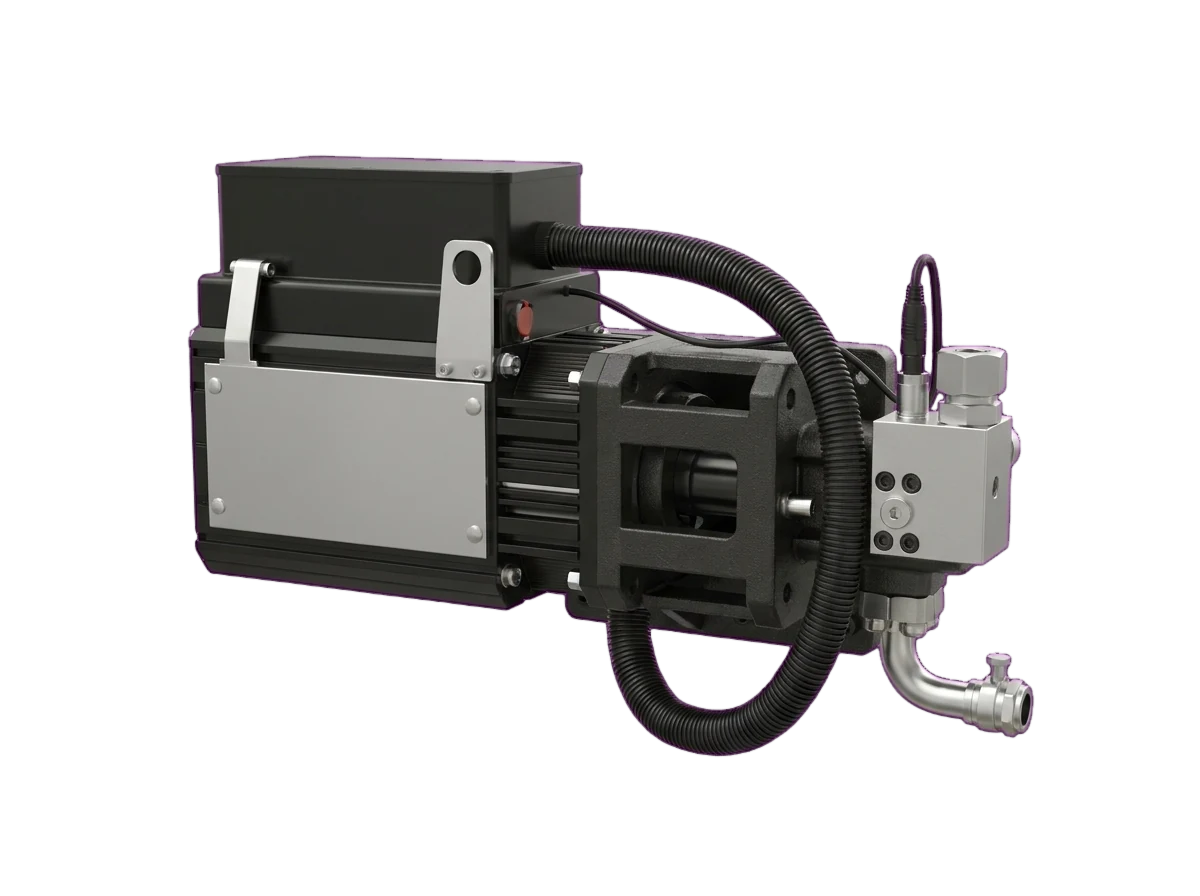
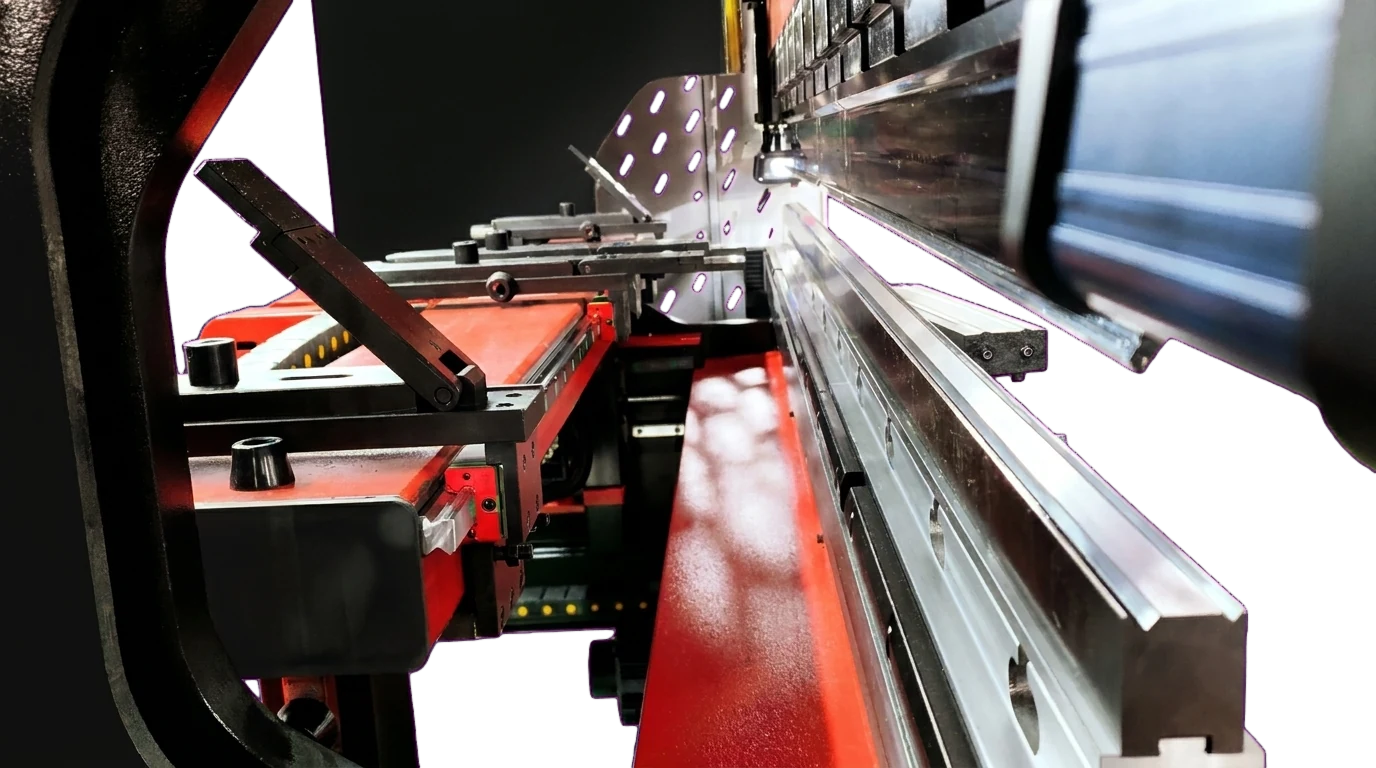
An NG electric press brake: control on the swing arm, tooling clamped along the upper beam and the die on the lower table.The tooling clamp row along the upper beam, with the scale markings used to place the punches.Punch, lower die and sheet shown at the bending station. Tooling must be selected for the part geometry, material and permitted tool load; the photograph does not specify a universal tool set.The backgauge drive unit: servo motor, screw and coupling behind the bending station.Inside the frame: the backgauge carriage, the die line and the light beam used at the bend.
CNC Controller — DA66S
The Delem DA66S offers graphical touch programming and a 3D machine view for simulation and production. Functions include Modusys expansion, peripheral connections, sensor-based correction interfaces and Profile-S2D offline software; installed options, licensing and compatibility require project confirmation.
Synchronous Control
Two ball-screw drives operate with linear-scale position feedback to coordinate motion on both sides. Real-time feedback supports synchronization, while the hinge arrangement addresses load transfer.
Punch & Die
Tooling can be selected or customized for the required bend shapes and lengths, including segmented arrangements. Tooling options can include heat-treated 42CrMo steel and Wila- or Amada-type interfaces; material, treatment, load rating and interface compatibility must be specified for the tooling supplied.
High Strength Frame
The welded steel frame undergoes stress-relief heat treatment and shot blasting. Machining critical mounting faces in one setup helps control their alignment.
Lazer Safe Iris Optical Protection
The illustrated Iris system combines a laser transmitter with a camera receiver and image processing for optical protection near the tools. The system combines imaging functions, status indicators and different tool shapes; coverage, detection limits and safety integration must be validated on the complete machine.
Backgauge
The backgauge positions the sheet using ball screws, linear guides and belt-driven elements. X, R and Z movement works with adjustable stop fingers and optional thin-sheet supports; the number of axes, travel and support capacity depend on the agreed configuration.
Amada-style European One-touch Punch Holder
Segmented punches can be inserted from the front of the illustrated holder. A clamp plate engaging the tool safety groove and a retention bar help retain compatible punches during setup and lateral repositioning.
Models
The NG model table
Select any of the six NG models to open its complete parameters, compare models in the series side by side and read the dimension drawing for the selected model.
For a nominal 2000 mm bend, the length column rules out NG-2508, NG-3512 and NG-4015. NG-6020 lists 2000 mm and 60 ton in separate columns; NG-8025 and NG-1003 list longer bending lengths. These values do not establish that the required total force, tool load or part clearance is acceptable.
Select model: NG-1003
01 / 06models in this seriesNG series
NG all-electric servo press brake
NG-1003
NG all-electric servo press brake · Rated bending force (ton) 100 ton · A — Bending length (mm) 3000 mm · E — Daylight opening (mm) 500 mm
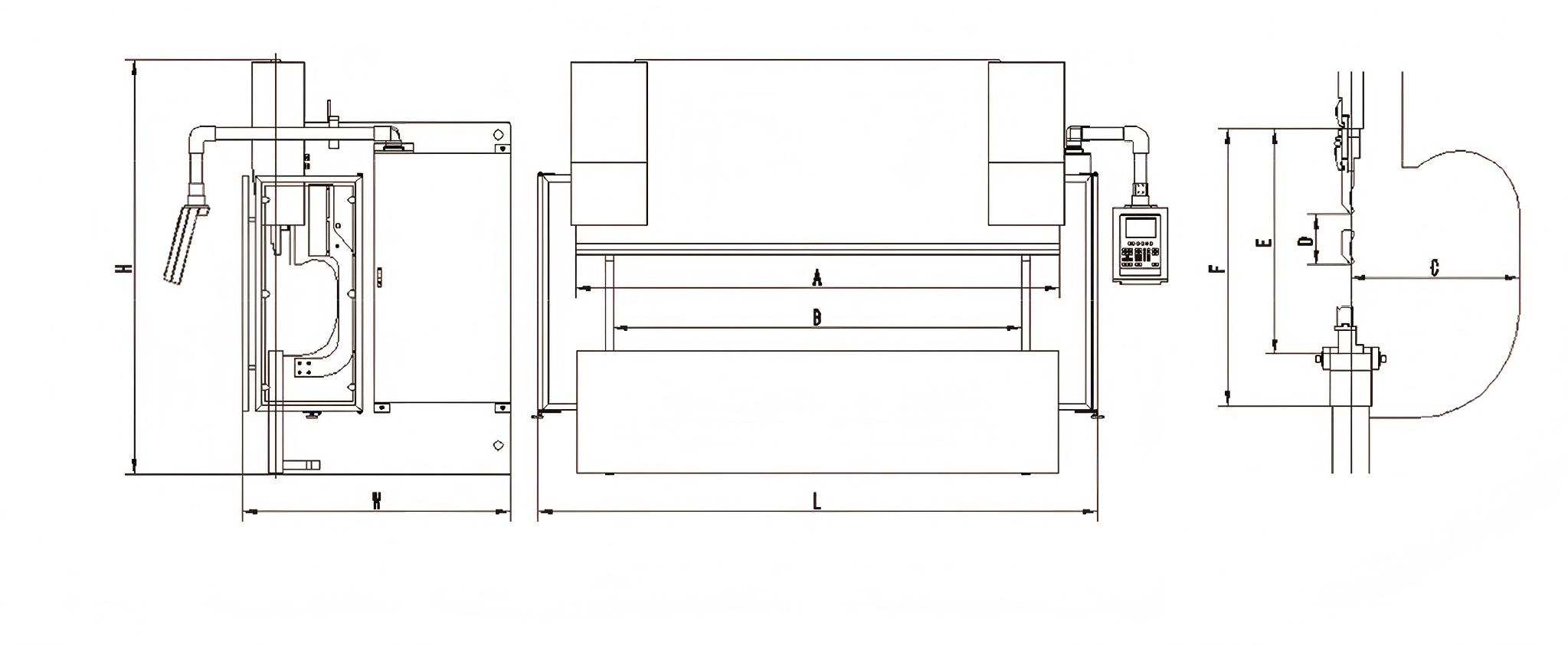
The drawing shows the general layout of this series. It is a reference and is not to scale for the selected model.
A — working/bending length of the machine.
A is the working/bending length; L is the machine length. On MG models D identifies the stroke of the moving lower worktable; on NG models D identifies the stroke of the upper beam (ram).
These are our standard specifications. Customized specifications are available upon request.
Show all specifications (21)
Capacity and worktable
Rated bending force (ton)
100 ton
Bending length (mm)
3000 mm
Worktable height (mm)
855 mm
Daylight opening (mm)
500 mm
Distance between frames (mm)
2870 mm
Throat depth (mm)
400 mm
Y-axis stroke (mm)
200 mm
Dimensions
Machine length (mm)
3730 mm
Machine width (mm)
1810 mm
Machine height (mm)
2550 mm
Machine weight (kg)
8200 kg
Speeds and times
Upper beam raising / lowering speed (mm/s)
180 mm/s
Bending speed (mm/s)
10–30 mm/s
Backgauge and axes
Backgauge X axis stroke (mm)
600 mm
Backgauge horizontal speed (mm/s)
250 mm/s
Backgauge R axis stroke (mm)
200 mm
Backgauge vertical speed (mm/s)
130 mm/s
Axis configuration
6+1 axes
Drive and power
Power supply capacity (kVA)
60 kVA
Main motor power (kW)
22 × 2 kW
Total power (kW)
45.6 kW
Matching models: 6 / 6
All models — complete table
Model
Rated bending force (ton)
A — Bending length (mm)
Worktable height (mm)
E — Daylight opening (mm)
B — Distance between frames (mm)
C — Throat depth (mm)
D — Y-axis stroke (mm)
Upper beam raising / lowering speed (mm/s)
Bending speed (mm/s)
Backgauge X axis stroke (mm)
Backgauge horizontal speed (mm/s)
Backgauge R axis stroke (mm)
Backgauge vertical speed (mm/s)
Axis configuration
Power supply capacity (kVA)
Main motor power (kW)
Machine length (mm)
Machine width (mm)
Machine height (mm)
Machine weight (kg)
Total power (kW)
Bending time per stroke (s/bend)
NG-1003
100
3000
855 mm
500 mm
2870 mm
400 mm
200 mm
180 mm/s
10–30 mm/s
600 mm
250 mm/s
200 mm
130 mm/s
6+1 axes
60 kVA
22 × 2 kW
3730 mm
1810 mm
2550 mm
8200 kg
45.6 kW
—
NG-8025
80
2500
855 mm
420 mm
2190 mm
400 mm
150 mm
200 mm/s
10–30 mm/s
600 mm
250 mm/s
150 mm
130 mm/s
6+1 axes
52 kVA
20 × 2 kW
3230 mm
1710 mm
2500 mm
7200 kg
41.6 kW
—
NG-6020
60
2000
855 mm
420 mm
1930 mm
400 mm
150 mm
200 mm/s
10–30 mm/s
500 mm
250 mm/s
150 mm
130 mm/s
6 axes
34.5 kVA
15 × 2 kW
2720 mm
1510 mm
2400 mm
5000 kg
31.6 kW
—
NG-4015
40
1500
855 mm
420 mm
1430 mm
400 mm
150 mm
200 mm/s
10–30 mm/s
500 mm
250 mm/s
150 mm
130 mm/s
6 axes
29.5 kVA
11 × 2 kW
2210 mm
1510 mm
2270 mm
3500 kg
23.6 kW
—
NG-3512
35
1200
855 mm
420 mm
1130 mm
400 mm
150 mm
200 mm/s
10–30 mm/s
500 mm
250 mm/s
150 mm
130 mm/s
4 axes
20.75 kVA
7.5 × 2 kW
1910 mm
1510 mm
2270 mm
3000 kg
16.6 kW
—
NG-2508
25
800
855 mm
420 mm
750 mm
400 mm
150 mm
150 mm/s
—
500 mm
250 mm/s
150 mm
130 mm/s
3 axes
14.25 kVA
11 kW
1510 mm
1210 mm
2270 mm
2000 kg
11.4 kW
0.5 s/bend
All parameters
NG-1003
Capacity and worktable
Rated bending force (ton)
100 ton
Bending length (mm)
3000 mm
Worktable height (mm)
855 mm
Daylight opening (mm)
500 mm
Distance between frames (mm)
2870 mm
Throat depth (mm)
400 mm
Y-axis stroke (mm)
200 mm
Dimensions
Machine length (mm)
3730 mm
Machine width (mm)
1810 mm
Machine height (mm)
2550 mm
Machine weight (kg)
8200 kg
Speeds and times
Upper beam raising / lowering speed (mm/s)
180 mm/s
Bending speed (mm/s)
10–30 mm/s
Backgauge and axes
Backgauge X axis stroke (mm)
600 mm
Backgauge horizontal speed (mm/s)
250 mm/s
Backgauge R axis stroke (mm)
200 mm
Backgauge vertical speed (mm/s)
130 mm/s
Axis configuration
6+1 axes
Drive and power
Power supply capacity (kVA)
60 kVA
Main motor power (kW)
22 × 2 kW
Total power (kW)
45.6 kW
NG-8025
Capacity and worktable
Rated bending force (ton)
80 ton
Bending length (mm)
2500 mm
Worktable height (mm)
855 mm
Daylight opening (mm)
420 mm
Distance between frames (mm)
2190 mm
Throat depth (mm)
400 mm
Y-axis stroke (mm)
150 mm
Dimensions
Machine length (mm)
3230 mm
Machine width (mm)
1710 mm
Machine height (mm)
2500 mm
Machine weight (kg)
7200 kg
Speeds and times
Upper beam raising / lowering speed (mm/s)
200 mm/s
Bending speed (mm/s)
10–30 mm/s
Backgauge and axes
Backgauge X axis stroke (mm)
600 mm
Backgauge horizontal speed (mm/s)
250 mm/s
Backgauge R axis stroke (mm)
150 mm
Backgauge vertical speed (mm/s)
130 mm/s
Axis configuration
6+1 axes
Drive and power
Power supply capacity (kVA)
52 kVA
Main motor power (kW)
20 × 2 kW
Total power (kW)
41.6 kW
NG-6020
Capacity and worktable
Rated bending force (ton)
60 ton
Bending length (mm)
2000 mm
Worktable height (mm)
855 mm
Daylight opening (mm)
420 mm
Distance between frames (mm)
1930 mm
Throat depth (mm)
400 mm
Y-axis stroke (mm)
150 mm
Dimensions
Machine length (mm)
2720 mm
Machine width (mm)
1510 mm
Machine height (mm)
2400 mm
Machine weight (kg)
5000 kg
Speeds and times
Upper beam raising / lowering speed (mm/s)
200 mm/s
Bending speed (mm/s)
10–30 mm/s
Backgauge and axes
Backgauge X axis stroke (mm)
500 mm
Backgauge horizontal speed (mm/s)
250 mm/s
Backgauge R axis stroke (mm)
150 mm
Backgauge vertical speed (mm/s)
130 mm/s
Axis configuration
6 axes
Drive and power
Power supply capacity (kVA)
34.5 kVA
Main motor power (kW)
15 × 2 kW
Total power (kW)
31.6 kW
NG-4015
Capacity and worktable
Rated bending force (ton)
40 ton
Bending length (mm)
1500 mm
Worktable height (mm)
855 mm
Daylight opening (mm)
420 mm
Distance between frames (mm)
1430 mm
Throat depth (mm)
400 mm
Y-axis stroke (mm)
150 mm
Dimensions
Machine length (mm)
2210 mm
Machine width (mm)
1510 mm
Machine height (mm)
2270 mm
Machine weight (kg)
3500 kg
Speeds and times
Upper beam raising / lowering speed (mm/s)
200 mm/s
Bending speed (mm/s)
10–30 mm/s
Backgauge and axes
Backgauge X axis stroke (mm)
500 mm
Backgauge horizontal speed (mm/s)
250 mm/s
Backgauge R axis stroke (mm)
150 mm
Backgauge vertical speed (mm/s)
130 mm/s
Axis configuration
6 axes
Drive and power
Power supply capacity (kVA)
29.5 kVA
Main motor power (kW)
11 × 2 kW
Total power (kW)
23.6 kW
NG-3512
Capacity and worktable
Rated bending force (ton)
35 ton
Bending length (mm)
1200 mm
Worktable height (mm)
855 mm
Daylight opening (mm)
420 mm
Distance between frames (mm)
1130 mm
Throat depth (mm)
400 mm
Y-axis stroke (mm)
150 mm
Dimensions
Machine length (mm)
1910 mm
Machine width (mm)
1510 mm
Machine height (mm)
2270 mm
Machine weight (kg)
3000 kg
Speeds and times
Upper beam raising / lowering speed (mm/s)
200 mm/s
Bending speed (mm/s)
10–30 mm/s
Backgauge and axes
Backgauge X axis stroke (mm)
500 mm
Backgauge horizontal speed (mm/s)
250 mm/s
Backgauge R axis stroke (mm)
150 mm
Backgauge vertical speed (mm/s)
130 mm/s
Axis configuration
4 axes
Drive and power
Power supply capacity (kVA)
20.75 kVA
Main motor power (kW)
7.5 × 2 kW
Total power (kW)
16.6 kW
NG-2508
Capacity and worktable
Rated bending force (ton)
25 ton
Bending length (mm)
800 mm
Worktable height (mm)
855 mm
Daylight opening (mm)
420 mm
Distance between frames (mm)
750 mm
Throat depth (mm)
400 mm
Y-axis stroke (mm)
150 mm
Dimensions
Machine length (mm)
1510 mm
Machine width (mm)
1210 mm
Machine height (mm)
2270 mm
Machine weight (kg)
2000 kg
Speeds and times
Upper beam raising / lowering speed (mm/s)
150 mm/s
Bending time per stroke (s/bend)
0.5 s/bend
Backgauge and axes
Backgauge X axis stroke (mm)
500 mm
Backgauge horizontal speed (mm/s)
250 mm/s
Backgauge R axis stroke (mm)
150 mm
Backgauge vertical speed (mm/s)
130 mm/s
Axis configuration
3 axes
Drive and power
Power supply capacity (kVA)
14.25 kVA
Main motor power (kW)
11 kW
Total power (kW)
11.4 kW
Compare models
Choose up to three models of this series. Common known values are listed first.
The table retains the supplier’s ton notation for rated bending force. Before comparing ratings or using calculator results, confirm the ton convention and the corresponding force in kN in the quotation. Check force, bending length and tooling load limits together.
Quotation
What should an NG quotation resolve?
Part and process requirements
Read more
Send the drawing, material grade and condition, actual thickness, longest bend, unloaded included angle and tolerance, inner radius and critical flange dimensions with their dimension convention.
Add the bend sequence, proposed tooling and V-opening, batch size and target cycle.
Site supply and machine access
Supply the site voltage, phase and frequency, available electrical supply, layout and access constraints.
The configuration review should identify candidate rows, if any, and unresolved items; it cannot promise that a suitable model exists. Ask the quotation to define the model, named axes, controller/software scope, clamping interface, tool list and load limits, protection and installation documents. Agree any trial-part conditions separately: the available materials contain no complete traceable factory trial record proving your angle tolerance, cycle time or energy use.
An electric press brake uses servo motors and a mechanical transmission instead of a hydraulic bending circuit. The NG range is an all-electric, servo-driven machine; confirm the rated force, bending length and axes for the model you are comparing.
Electric vs hydraulic press brake?
The drive is the difference: an electric machine uses servo motors and mechanical transmission, a hydraulic machine uses a hydraulic circuit. Compare the model rows for force, length, axes, electrical data and the parts you need to bend; the drive name alone does not establish cycle time, accuracy or energy use.
Electric press brake price?
Price follows the model, bending length, axes, tooling, control and site configuration, so it is confirmed in a quotation. Send the part drawing, material, thickness and batch pattern to define the configuration.
Can an electric press brake bend thick sheet?
Check the rated force, tooling load and bending length for the actual material and thickness. The series name is not a thickness rating; the same model row and tooling limits decide whether the part is a candidate.
Press brakes, panel benders, V-grooving machines and robotic bending cells: 6 series and 80 models with standard specifications and the configuration choices behind a machine order.
English PDF · 28 pages · 80 models · 6 series · 1.64 MB · November 2026