Sheet metal cutting

Guillotine Shearing Machine for Sheet Metal Cutting

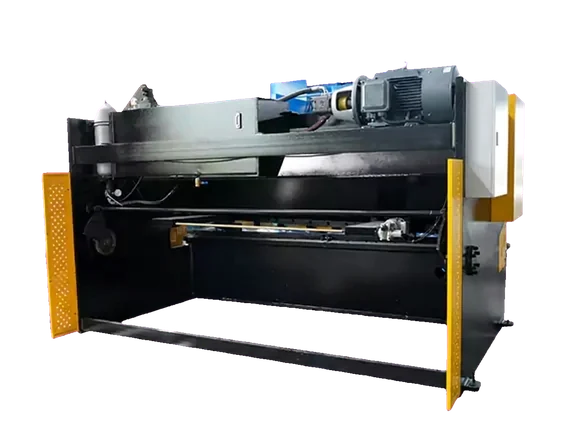
The guillotine shearing machine — a sheet metal shear — makes straight cuts in flat sheets and strips. Choose it by material, actual thickness and cut length, then confirm blade clearance and sheet support.

Guillotine Shearing Machine for Sheet Metal Cutting

Overview

What a guillotine shear does

A guillotine shearing machine prepares straight blanks, strips and rectangular parts before bending or welding. It is a candidate when the drawing permits a sheared edge; contours and holes need another cutting process. Record the cutting thickness, cutting length and blade gap for the actual job.
Read more

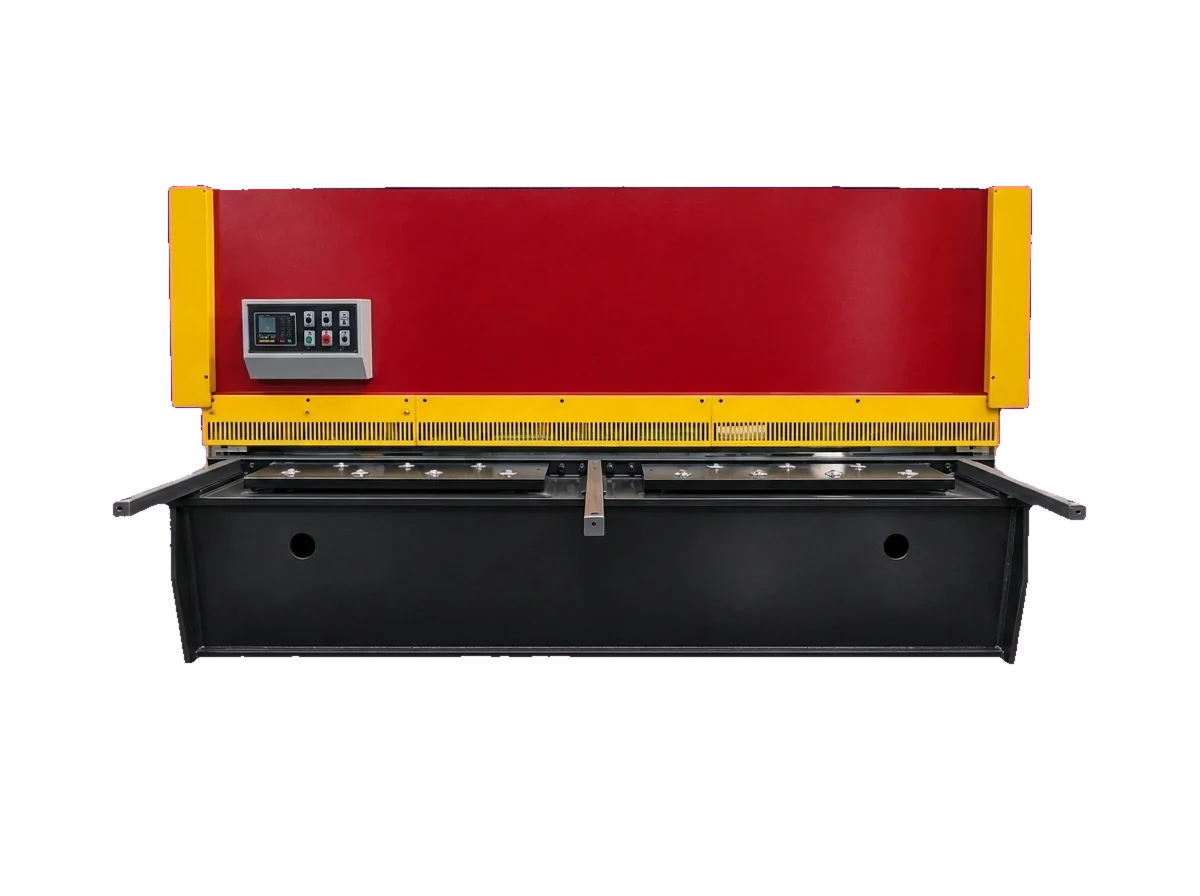
The hydraulic guillotine shear is the usual configuration; a CNC shearing machine adds controlled positioning and programmable settings where the batch justifies them. Confirm the supplied drive, controller, blade and support arrangement in the quotation.

RAGOS product information lists a maximum cutting thickness of 55 mm. The material, rated strength, specific model and full cut length for that figure are not stated in the available information; confirm them together before using the figure to select a machine. A thickness figure alone does not establish suitability for your plate.

Equipment overview

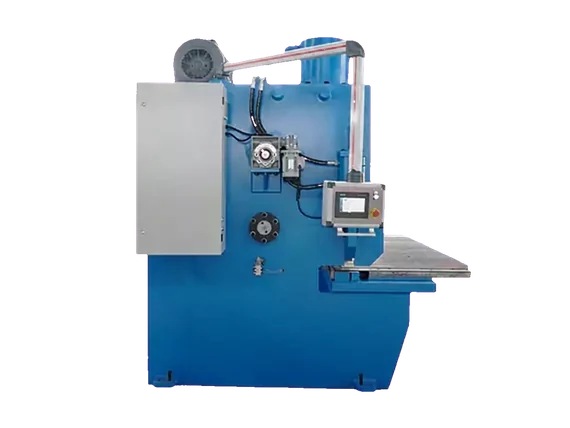
A guillotine shearing machine — also called a guillotine shear, sheet metal shear or hydraulic shearing machine — cuts straight blanks and strips. Match material, actual thickness and cut length, then confirm positioning, support and the required cut edge.

Available configurations

Guillotine shearing machine

Guillotine shearing machine

Cut sheet to length using coordinated blade, hold-down and backgauge settings.

Send your part details

Selection

How to choose a guillotine shear

State cut length along the blade separately from blank width, the dimension from the cutting line to the backgauge. A long blade does not establish backgauge travel, and neither dimension establishes the required sheet support.

Read more
  • Provide material grade and condition, known strength and the range of actual thicknesses, including the most frequent job.
  • Provide the longest cut along the blade and the full sheet dimensions, with the required blank widths and any narrow strips.
  • Identify the reference edge and squareness requirement; confirm the backgauge travel and positioning arrangement for those parts.
  • Agree how the incoming sheet, cut blank and offcut are supported and removed. Check the handling arrangement for their size and weight.
  • State required burr, squareness, straightness and distortion limits from the drawing, the agreed inspection methods and any later deburring or bending operation.

Configuration

Hydraulics, controllers and automation

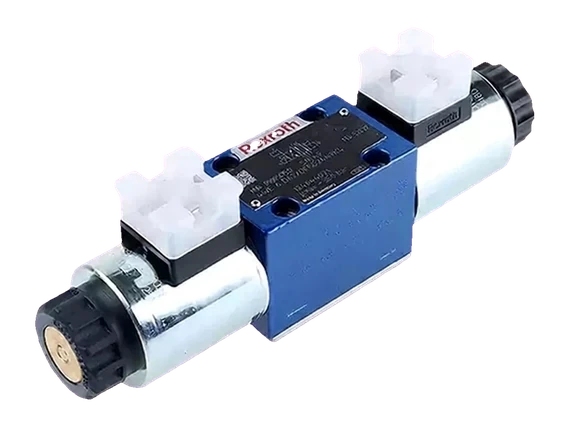
Listed control options are Estun E21 NC, Delem DAC360T and Cybelec CT8. Confirm the supplied controller and its actual backgauge, blade-clearance and cutting-angle functions with the machine configuration. Rexroth hydraulic components are a described configuration option, rather than a confirmed standard bill of materials for every machine.

Read more
  • Confirm how the backgauge is positioned and its travel for the required blank sizes; do not infer positioning accuracy from the controller brand.
  • Match front sheet supports to the incoming sheet dimensions and handling method.
  • Specify optional rear sheet support separately for the cut sheet and unloading sequence; a backgauge is a positioning reference, not a substitute for sheet support.
  • Automatic loading and feeding are listed options. Review sheet size, stack weight, unloading and required output before specifying the package.
  • Request the actual blade, hydraulic components, supports and guarding list for the quotation; the names here do not confirm the supplied safety arrangement.

Technology

Why the cutting angle matters

An inclined upper blade makes the cut progress along the sheet. A larger cutting angle reduces peak cutting load but can increase bowing or twisting, particularly on thin sheet and narrow strips. A smaller angle can reduce that distortion while requiring more force. Compare the result your parts need, rather than choosing the largest adjustment range.

Read more

Ask which cutting-angle and blade-clearance adjustments are fitted to the quoted machine and which the chosen controller operates. NC and CNC options do not establish that every version adjusts both settings automatically.

Job conditionInformation to provideWhat to confirm
Thin sheet or narrow stripsActual thickness, strip width and permitted distortionSuitable settings and a representative cut checked for burr, bow and twist
Thick plateGrade or known strength, actual thickness and full cut lengthThe model rating for that combination, not the headline thickness alone
Stainless or high-strength gradesSpecific grade and condition; strength data if knownMaterial-specific capacity and blade specification; do not inherit another material rating
Long or large blanksFull sheet dimensions and required blank dimensionsPositioning, front support and handling of the cut sheet and offcut

Blade gap and blade material

Blade clearance affects the cut edge: excessive clearance can leave a rough edge and heavy burr; insufficient clearance increases cutting load and risks blade damage. The starting setting must follow the selected machine instructions for the material and actual thickness, then be checked against the required edge. This page does not prescribe a universal clearance percentage.

Read more

The product information lists H13 steel blades. Confirm the supplied blade grade, edge condition and suitability for your material in the quotation. A blade name alone does not establish cut quality or blade life.

For an explanation of clearance, burr and edge behaviour, read Blade clearance and shearing behaviour. Use that process explanation alongside the selected machine instructions, not as a universal setting.

Finite element analysis

Finite element analysis

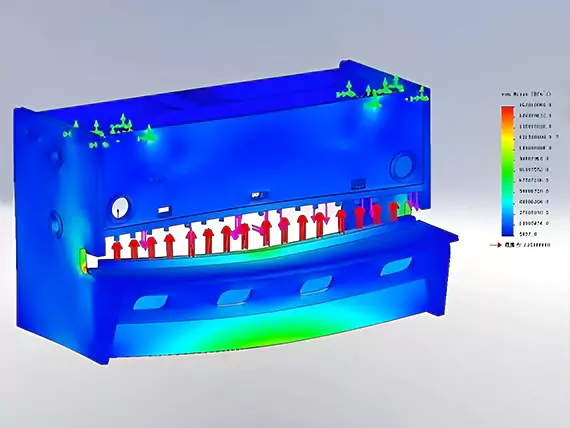
The design uses FEA to examine cutting loads, frame stress and deformation before manufacture. These calculations support structural design; cutting results still depend on the material and machine setup.

Hydraulic system

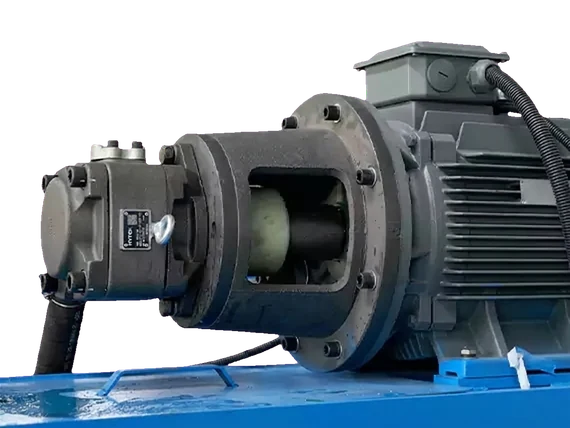
Hydraulic system

The hydraulic system supplies the force for the cutting cycle and coordinates machine movement. Rexroth hydraulic components are a configuration option; component brand, circuit and maintenance requirements should be confirmed in the project specification.

Drive motor

Drive motor

Motor configurations include Siemens motors and a servo motor option. Select the motor and control arrangement against the required duty cycle; the supplied motor is confirmed with the order.

Shearing angle control

Shearing angle control

On the described CNC arrangement, the cutting angle is set to suit material type and thickness. The setting balances cutting load and sheet deformation; automatic adjustment is subject to the selected control package.

Front sheet support

Front sheet support

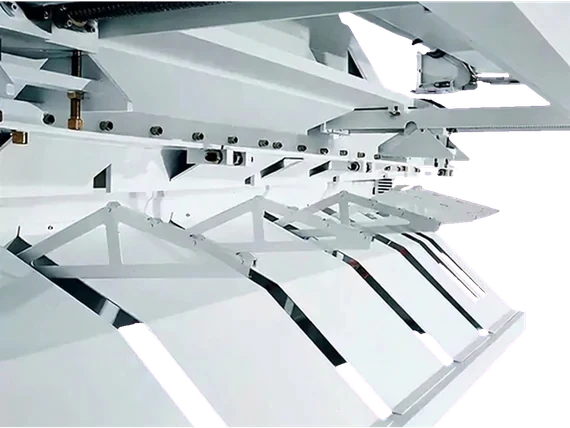
Front supports carry long or large sheets during loading and positioning. They help limit sagging before the cut; the support layout should match sheet dimensions and handling arrangements.

Cutting blades

Cutting blades

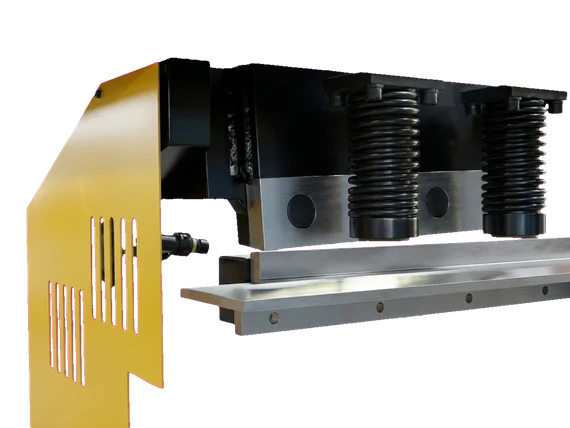
H13 steel blades perform the cutting operation. Blade grade, clearance and edge condition must be matched to the material and thickness; confirm the supplied blade specification before ordering.

Backgauge

Backgauge

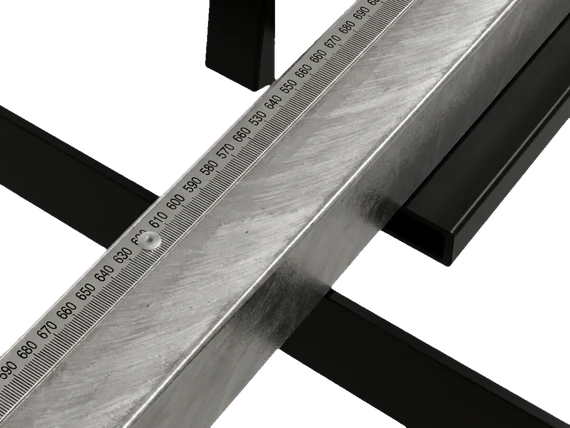
The controlled backgauge provides a positioning reference and sets the blank dimension from the cutting line to the stop face; this is separate from cut length along the blade. Its travel and control functions should be checked against the part sizes and selected machine configuration.

Optional rear sheet support

Optional rear sheet support

An optional support carries the cut sheet behind the blades to limit bending under its own weight. Suitability depends on sheet dimensions and the unloading sequence, so this device is specified separately.

NC and CNC controls

Control options include Estun E21 NC control and Delem DAC360T or Cybelec CT8 CNC options. Available control of the backgauge, blade clearance and cutting angle depends on the controller and machine configuration.

Applications

Typical applications

Typical work includes sheet metal shearing for HVAC parts, shearing for electrical cabinets and shearing for elevator panels, alongside the straight-cut blanks below. The application name does not establish the capacity or edge quality for a particular material and drawing.

  • Sheet metal cutting and blank preparation
  • Steel structure plates and connection plates
  • Shipbuilding and offshore plate work
  • Construction machinery parts
  • General metalworking and job shops

Resources

Equipment configuration

Shearing machine configuration includes the control system, blade, supports and guarding. The conditions under which the model's rated capacity applies are given in the corresponding specifications and quotation.

Qualify a cutting-capacity claim

Read more
CheckRecord to requestDecision it supports
Capacity basisExact model, material/strength, actual thickness and full cut lengthConfirm the conditions behind the published 55 mm figure before selecting against it.
Cut sampleBurr, squareness, straightness and distortion checked by agreed methodsCompare a recorded sample with drawing requirements; a blade brand is not an acceptance result.
ConfigurationQuoted blade, controller functions, supports and guarding listIdentify what is included in this order, including separately specified handling options.

For machine accuracy requirements, consult Shearing machine accuracy: scope of GB/T 14404-2024 for its scope; it is not a part-edge tolerance, proof of part acceptance or certification.

Guillotine shearing machine specifications

ParameterValue
Max cutting thicknessProduct information: up to 55 mm; material, rated strength, model and full cut length require confirmation
Blade materialH13 steel listed; confirm supplied blade specification
Hydraulic systemRexroth configuration option; confirm supplied components
ControllerNC E21 Estun / Delem DAC360T / Cybelec CT8; functions depend on machine configuration
AutomationAutomatic loading and feeding optional; handling arrangement to be specified

The listed thickness is not a material-specific or full-length capacity approval. Use confirmed model rating conditions and the agreed supply specification.

RAGOS product data, 2026-11-01, and the manufacturer’s guillotine shearing machine product page; confirm current model and configuration.

Common questions

Should I choose a shearing machine or a laser cutter?

Start with geometry and the required edge. A shear is suited to straight blanks and strips; contours, holes and nested profiles call for another process such as laser cutting. Compare handling, any deburring and the actual job mix before drawing a cost or output conclusion.

How is the blade gap adjusted?

Adjustment may be manual or controlled, depending on the selected machine and controller. Confirm the fitted method, use the machine instructions for the material and actual thickness, and check the resulting edge against the job requirement.

What is the maximum cutting thickness?

RAGOS product information lists up to 55 mm. The available information does not specify the material, rated strength, exact model or full cut length for that figure. Obtain those conditions for the proposed machine before using it as a capacity for your job.

Can the machine cut stainless steel?

Confirm the specific stainless grade, condition, actual thickness and cut length against the selected model rating and supplied blade specification. Do not treat a rating for another material as a stainless capacity.

How do you control noise and operator safety?

Request the actual guarding, hold-down and other safety-device specification for the selected machine and your site requirements. The hydraulic drive or a component brand alone does not demonstrate noise performance or operator safety; no noise value or certified safety configuration is stated here.

Is automatic loading available?

Automatic loading and feeding are listed options. Confirm sheet dimensions, stack weight, required output, sheet support and the unloading sequence before agreeing the supplied arrangement.

What is a guillotine shear?

A guillotine shear cuts straight blanks and strips with a moving blade against a fixed bed. It is also called a shearing machine or sheet metal shear. The cut edge, squareness and burr still need checking against the drawing and the agreed inspection method.

What does a shearing machine cost?

The price depends on the model, cutting length, thickness rating, blade and controller configuration, supports and guarding. Send the material, actual thickness, longest cut and batch pattern so the quotation can define the supplied configuration.

Documents, sources and next steps

Product catalogue

RAGOS product catalogue (English PDF)

Press brakes, panel benders, V-grooving machines and robotic bending cells: 6 series and 80 models with standard specifications and the configuration choices behind a machine order.

English PDF · 28 pages · 80 models · 6 series · 1.64 MB · November 2026

Download the English PDF (1.64 MB)

Equipment and quotations

Contact JS Ragos for machine models, configurations and quotations.

Get a quote

Inquiry form

Tell us which equipment you need or what you would like to know. You can include a model if you have one in mind.

This form does not autosave unsent drafts. Keep this tab open while checking the source or privacy notice.

Contact details (optional)
Machine, process and drawing details (optional)

PDF, DWG, DXF, STEP, JPG or PNG, up to 10 MB.

We use these details only to respond to your inquiry. Privacy policy (opens in a new tab)