Manual laser welding

Laser Welding Machine: Handheld Fiber Laser Welder

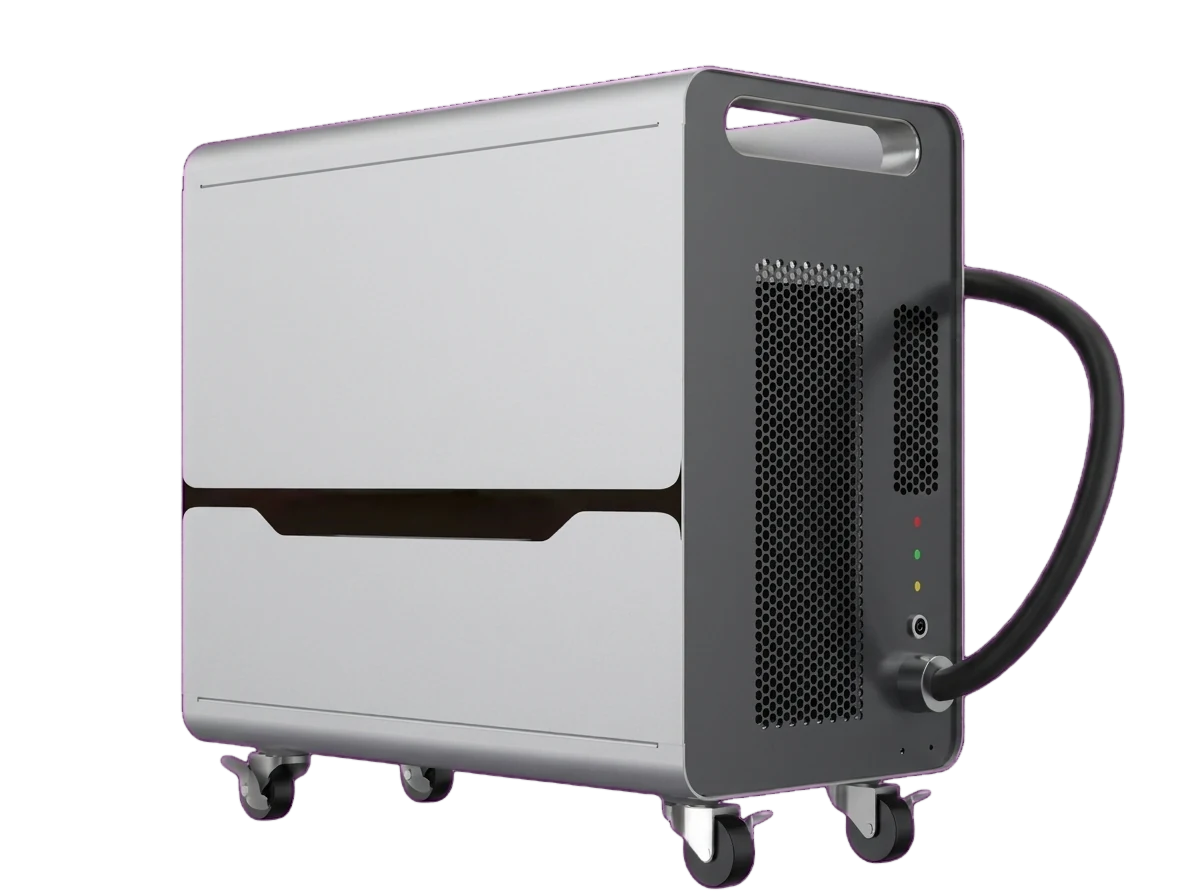
The handheld fiber laser welding machine — a laser welding machine used as a manual laser welder — suits flexible welding stations. Match the source, head, wire feed and cooling to your material, joint access and weld result.

Laser Welding Machine: Handheld Fiber Laser Welder

Overview

What a handheld laser welder does

Choose a handheld laser welding package by checking material grade and thickness, joint access and the required weld result together. For EL-W803-C and EL-W1505-C, agree the proposed laser source and output, head, wire feed, shielding gas and cooling arrangement in the quotation, then review a sample joint against agreed inspection criteria.
Read more

We supply the EL-W803-C and EL-W1505-C for stainless steel kitchen equipment, doors and windows, railings, sheet metal housings and repair work. Both use a 5 m armored fiber cable so the power unit can stay clear of the weld area.

Equipment overview

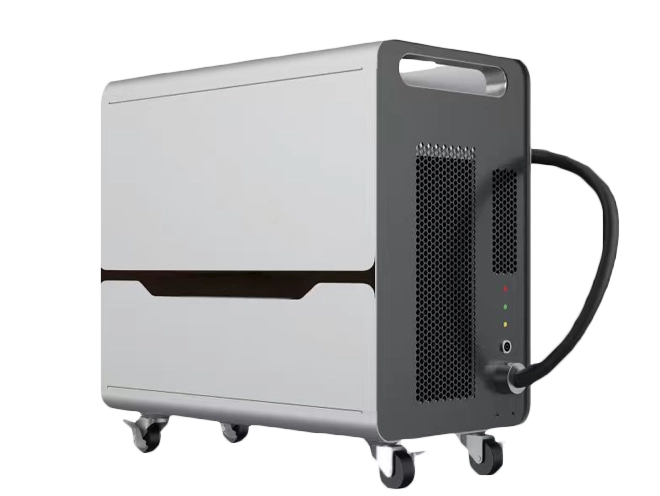
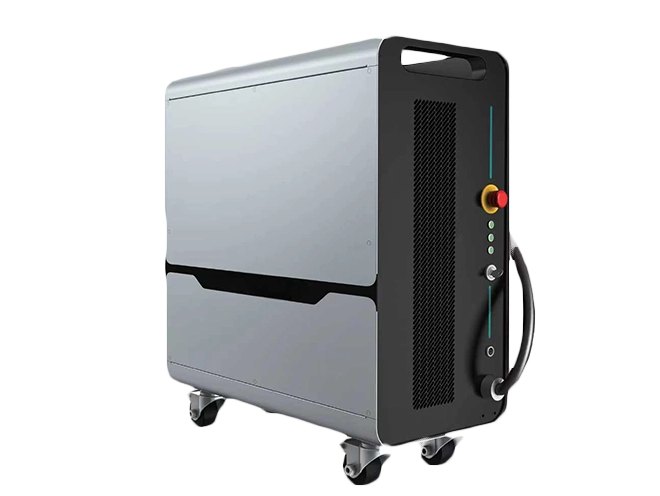
A handheld laser welding machine is a fiber laser welding machine used as a manual laser welder; also called a handheld laser welder, it is moved along the joint. Compare packages around your material, joint access and required weld result, and agree the source, head, wire feed, gas and cooling configuration in the quotation.

Available configurations

Handheld fiber laser welding machine

Handheld fiber laser welding machine

A handheld laser welding arrangement selected around the joint, material and operating environment.

Send your part details
Handheld laser welding machine

Handheld laser welding machine

A handheld laser welding arrangement selected around the joint, material and operating environment.

Send your part details

Selection

How to choose a handheld laser welder

Compare the complete packages against the same joint and acceptance requirements. Published depth figures help organize questions; they do not select a model by themselves.

Read more
  • Record each material grade, coating and the thinnest and thickest parts.
  • Provide the joint drawing, fit-up/gap and head access, including any restricted or awkward positions.
  • Define the surface finish, permitted distortion and any strength or leak-tightness acceptance requirement.
  • Agree whether wire feed is needed and which gas and consumables belong in the proposed package.
  • Confirm cooling, electrical supply, production quantity and duty cycle, plus the assessed work-area protection, extraction and training.

Configuration

Models and configuration

Read more
  • EL-W803-C is the product-page name; the first archived specification table is labelled EL-W0803-C. Confirm model identity and the matching specification before ordering.
  • EL-W1505-C is the second published model; compare its complete proposed configuration against the same sample joint.
  • Both archived tables list a central wavelength of 1080±10 nm, continuous / pulse modes, maximum modulation frequency of 5 kHz and a 5 m armored fiber cable.
  • Confirm rated laser output separately from electrical power consumption; the archived consumption entries are not laser-output ratings.
  • Specify source and head, wire-feed availability, gas supply, cooling, electrical supply and intended duty cycle in the quotation.

Technology

Read the supplier-published weld-depth figures

The two columns retain the supplier-published weld-depth figures for the listed materials; they do not define a qualified thickness range. The first product is named EL-W803-C on this page and in the supplier page title, but its archived technical table is labelled EL-W0803-C. Confirm the exact nameplate model and corresponding data sheet in the quotation; the two identifiers are not confirmed aliases.

Read more

The archived pages do not state the material grades, joint geometry or inspection conditions behind these figures. Fiber-core diameter and weld depth are separate published fields: core diameter alone does not establish laser output, penetration or joint strength. Confirm the actual joint, surface condition, fit-up and required inspection result for the proposed setup.

MaterialEL-W803-C weld depth / EL-W0803-CEL-W1505-C weld depth
Stainless steel3 mm5 mm
Galvanized sheet3 mm5 mm
Carbon steel3 mm5 mm
Aluminum2 mm4 mm
Brass1.5 mm3 mm
Copper1 mm2 mm

Why shielding gas matters

Specify the shielding gas and any wire feed with the material, joint and proposed welding procedure. Shielding helps limit interaction with air; gas selection alone does not establish freedom from porosity or discoloration. Agree the gas supply and consumables in the quotation without assuming a gas or flow setting for every material.

Read more

Assess the actual work area, material and coating with responsible specialists under the applicable local conditions. Plan the required laser protection, access controls, fume extraction and operator training for the actual system; a handheld head does not make every workshop or on-site location suitable.

Handheld fiber laser welding machine

Compact layout

Plan movement, access and installation for the quoted compact unit. Suitability for workshop or on-site use requires assessment of the actual work area, equipment configuration and local conditions.

Laser source

The laser source supplies the energy used to form the weld. Confirm the source type, modules, rated laser output and process scope in the quoted equipment specification; electrical consumption is a separate field.

Cooling arrangement

Cooling removes heat from the laser equipment during use. Air- or water-cooled arrangements are selected to suit the equipment and intended duty cycle.

Operator interface

The operating panel provides access to welding settings and stored process packages. Parameters still need to be selected and verified for the joint and material, with trained operators following the equipment instructions.

Control and I/O integration

For an automated application, agree whether the quoted configuration provides compatible I/O and robot interfaces. Confirm availability, control signals and the complete safety-system integration before specifying the connection.

Weld formation

The laser beam concentrates heat at the joint to form the weld. Weld appearance, spatter and distortion depend on material, fit-up and process settings; suitability for thin or reflective materials needs a process trial.

Energy and operating duty

Electrical input and cooling requirements shape the operating energy demand. Compare the complete equipment configuration at the intended welding duty cycle when planning power supply and operating costs.

Operation and protection

Controls, heat management and sensor-based interlocks form part of the described protection arrangement; confirm which functions are installed on the actual system. Interlocks do not authorize the complete installation or replace the laser protection, extraction and operator training assessed for the site.

Handheld laser welding machine

Compact layout

Plan movement, access and installation for the quoted compact unit. Suitability for workshop or on-site use requires assessment of the actual work area, equipment configuration and local conditions.

Laser source

The laser source supplies the energy used to form the weld. Confirm the source type, modules, rated laser output and process scope in the quoted equipment specification; electrical consumption is a separate field.

Cooling arrangement

Cooling removes heat from the laser equipment during use. Air- or water-cooled arrangements are selected to suit the equipment and intended duty cycle.

Operator interface

The operating panel provides access to welding settings and stored process packages. Parameters still need to be selected and verified for the joint and material, with trained operators following the equipment instructions.

Control and I/O integration

For an automated application, agree whether the quoted configuration provides compatible I/O and robot interfaces. Confirm availability, control signals and the complete safety-system integration before specifying the connection.

Weld formation

The laser beam concentrates heat at the joint to form the weld. Weld appearance, spatter and distortion depend on material, fit-up and process settings; suitability for thin or reflective materials needs a process trial.

Energy and operating duty

Electrical input and cooling requirements shape the operating energy demand. Compare the complete equipment configuration at the intended welding duty cycle when planning power supply and operating costs.

Operation and protection

Controls, heat management and sensor-based interlocks form part of the described protection arrangement; confirm which functions are installed on the actual system. Interlocks do not authorize the complete installation or replace the laser protection, extraction and operator training assessed for the site.

Applications

Typical applications

Typical work includes laser welding for stainless steel, laser welding for sheet metal and laser welding for cabinets, alongside kitchen equipment, frames, railings, enclosures and repair joints. Check access, appearance, distortion and any strength or leak-tightness requirement on the proposed joint rather than treating the application name as proof of suitability.

  • Stainless kitchen equipment and sinks
  • Doors, windows and frames
  • Railings and architectural metalwork
  • Sheet metal housings and enclosures
  • Repair and touch-up welding

Resources

Equipment configuration

The configuration of laser welding equipment depends on joint type, material and operating conditions. The specific configuration and weld trial arrangements are as agreed in the quotation.

Specify a weld demonstration

Read more
CheckRecord to requestDecision it supports
JointGrade, thickness, joint type, gap, preparation and accessA penetration figure is conditional on the joint and process.
ProcessExact source, optics, wire/gas if used, settings and travel methodMake a repeatable procedure for the proposed configuration.
ResultAgreed inspection method, acceptance criteria and identified samplesPenetration alone does not establish joint integrity or qualification.
InstallationLaser enclosure/protection and extraction assessment for the actual work areaHave the responsible specialist approve the installation before operation.

EL-W803-C and EL-W1505-C specifications

ParameterEL-W803-C / EL-W0803-CEL-W1505-C
Central wavelength1080±10 nm1080±10 nm
Spectral width (FWHM)<10 nm<10 nm
Divergence (NA)0.060.06
Operating modeContinuous / pulseContinuous / pulse
Max modulation frequency5 kHz5 kHz
Output power instability<3% (24 h)<5% (24 h)
Output fiber core diameter14 μm20 μm
Armored cable length5 m5 m
Bending radius200 mm300 mm
Stainless steel weld depth3 mm5 mm
Galvanized sheet3 mm5 mm
Carbon steel3 mm5 mm
Aluminum2 mm4 mm
Brass1.5 mm3 mm
Copper1 mm2 mm

Supplier-published fields retained from the archived product pages; not a qualified thickness range or joint-strength guarantee. First-column identity EL-W803-C / archived table EL-W0803-C remains to be confirmed against the nameplate and data sheet.

Supplier archived product pages: jsragos.com/product/handheld-fiber-laser-welding-machine/ and /product/handheld-laser-welding-machine/; first table labelled EL-W0803-C, product title EL-W803-C. Confirm current nameplate and configuration.

Common questions

How thick can the machine weld?

The supplier-published steel-depth entries are 3 mm in the first archived column and 5 mm for EL-W1505-C, separately for stainless steel, galvanized sheet and carbon steel. The first column has the EL-W803-C / EL-W0803-C identifier difference explained beside the table. These are published weld-depth figures, not a qualified thickness range; confirm the actual joint and inspection result.

How does it compare with TIG welding?

Compare laser and TIG on the same material, joint access and acceptance requirements. Review the demonstrated finish, distortion, filler needs and complete operating arrangement; this page does not establish a universal speed or quality ranking.

Is protective equipment required?

Yes. Assess the laser protection, access controls, extraction and operator training needed for the actual system, materials and local site conditions with the responsible specialists. Follow the equipment instructions and the assessed working arrangement.

What consumables does it use?

Confirm the protective lens, shielding gas and any filler wire in the quoted package. Wire-feed needs depend on the joint and procedure; agree availability and the consumable list for the proposed configuration.

Can it weld aluminum?

The supplier-published aluminum-depth entries are 2 mm in the first archived column and 4 mm for EL-W1505-C; the first-column identifier difference is explained beside the table. These figures do not define a qualified thickness range. Review the alloy, surface, joint and required inspection result on a sample.

Is the cooling system air or water?

Agree air or water cooling for the quoted model, configuration and intended duty cycle; neither method is assumed to be installed on both models.

Documents, sources and next steps

Product catalogue

RAGOS product catalogue (English PDF)

Press brakes, panel benders, V-grooving machines and robotic bending cells: 6 series and 80 models with standard specifications and the configuration choices behind a machine order.

English PDF · 28 pages · 80 models · 6 series · 1.64 MB · November 2026

Download the English PDF (1.64 MB)

Equipment and quotations

Contact JS Ragos for machine models, configurations and quotations.

Get a quote

Inquiry form

Tell us which equipment you need or what you would like to know. You can include a model if you have one in mind.

This form does not autosave unsent drafts. Keep this tab open while checking the source or privacy notice.

Contact details (optional)
Machine, process and drawing details (optional)

PDF, DWG, DXF, STEP, JPG or PNG, up to 10 MB.

We use these details only to respond to your inquiry. Privacy policy (opens in a new tab)